Overview
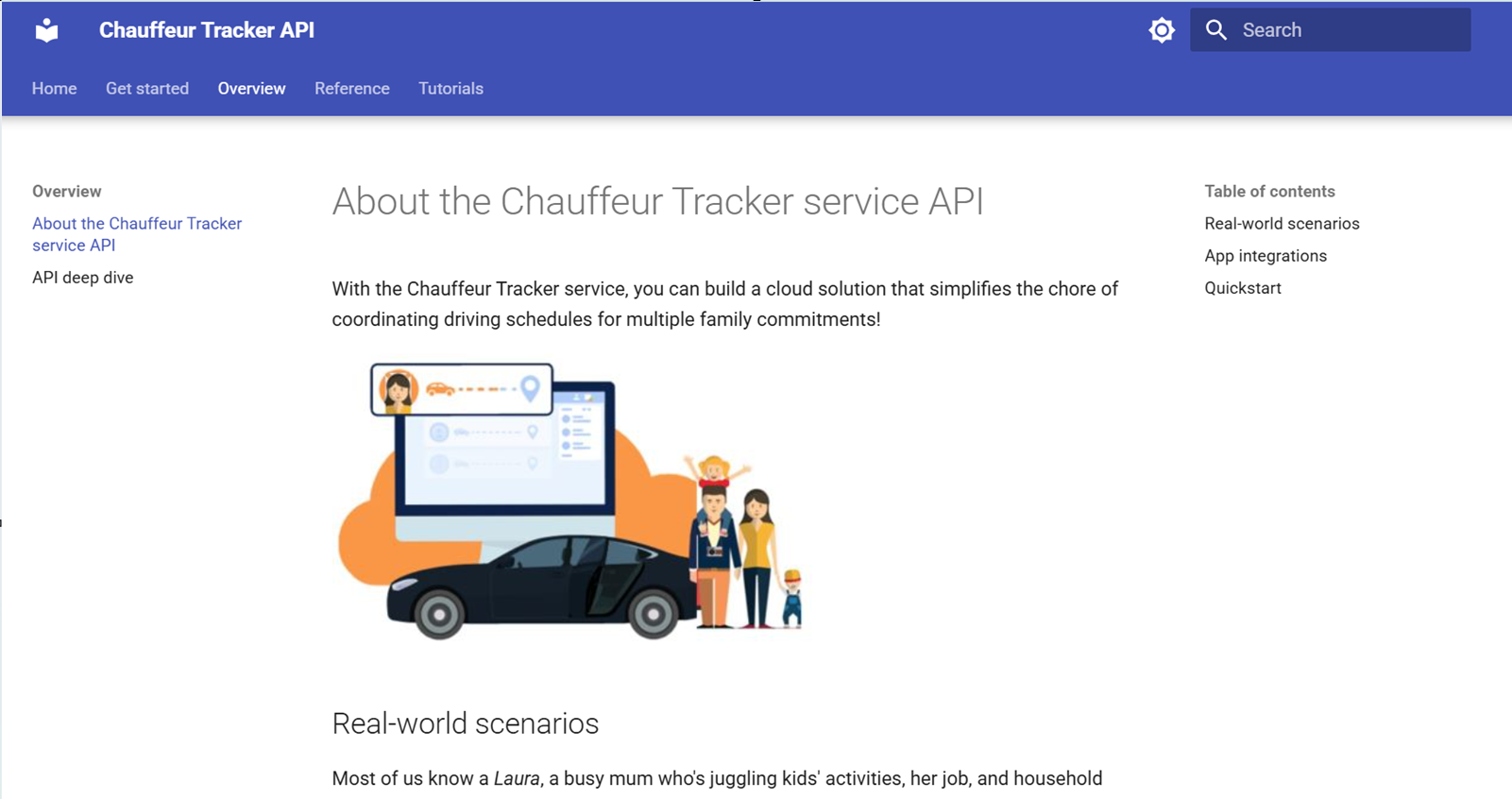
Help developers understand the service, its purpose, capabilities and integration model.
Portfolio · Case study
Designing a durable docs-as-code system around developer tasks.
This project is a representative REST API documentation system designed to show how overview, onboarding, reference and tutorial content can work together as one coherent developer experience.
It combines modular information architecture, task-oriented authoring, version-controlled source and technical validation around a deliberately representative service.
The challenge
API users need different information depending on where they are in the journey: orientation to the service, a first successful call, precise reference lookup, or a realistic end-to-end task.
Treating these needs as one undifferentiated body of content makes documentation harder to navigate and maintain. It also asks developers to extract the experience they need from content designed for a different goal.
My approach
The documentation was organised around four deliberately distinct content functions. Together they create a clear path from orientation to implementation without collapsing every need into the same page type.
Help developers understand the service, its purpose, capabilities and integration model.
Reduce time to first successful call through a minimal onboarding path.
Provide precise endpoint-level information including parameters, schemas, requests and responses.
Demonstrate realistic end-to-end task flows using the API.
See the system working
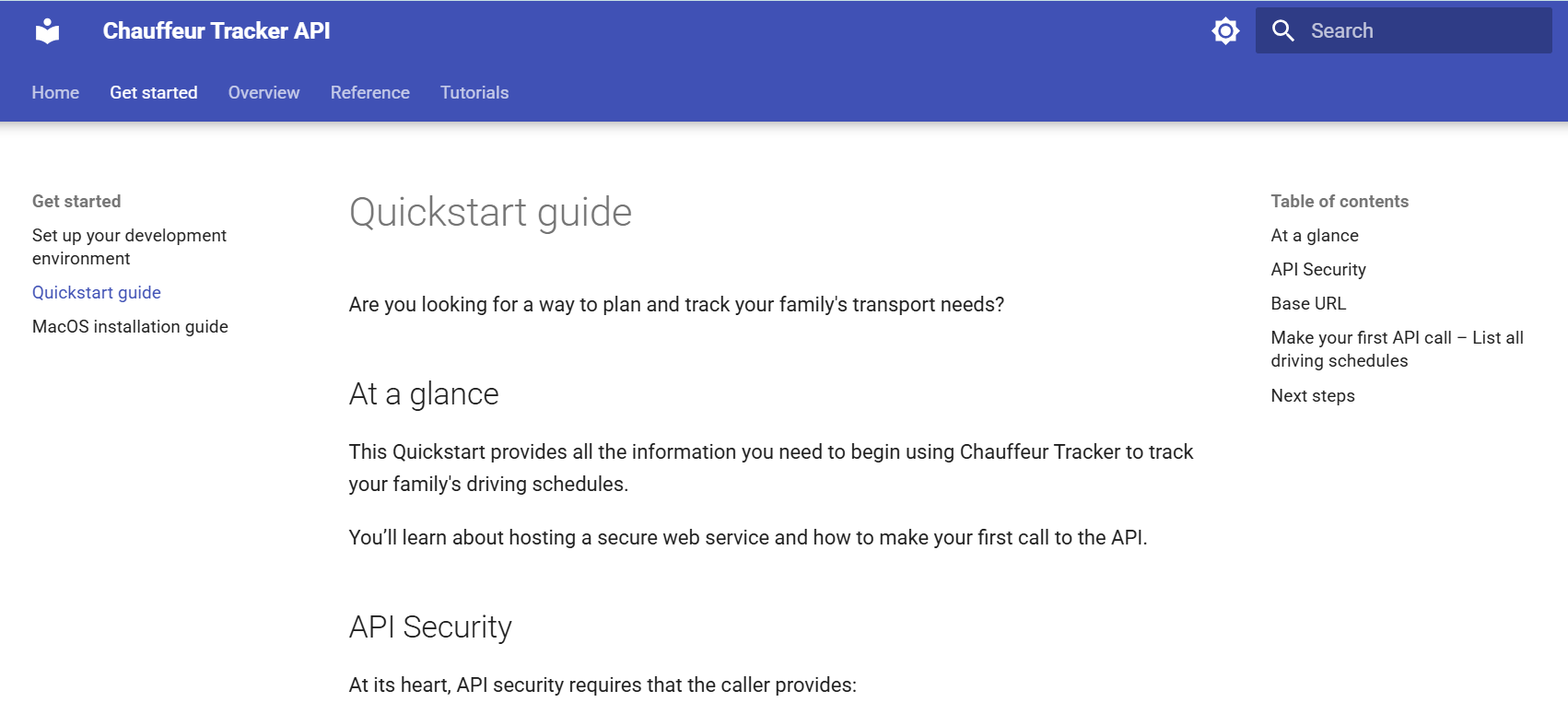
A minimal onboarding path designed to reduce time to first successful call.
View Quickstart →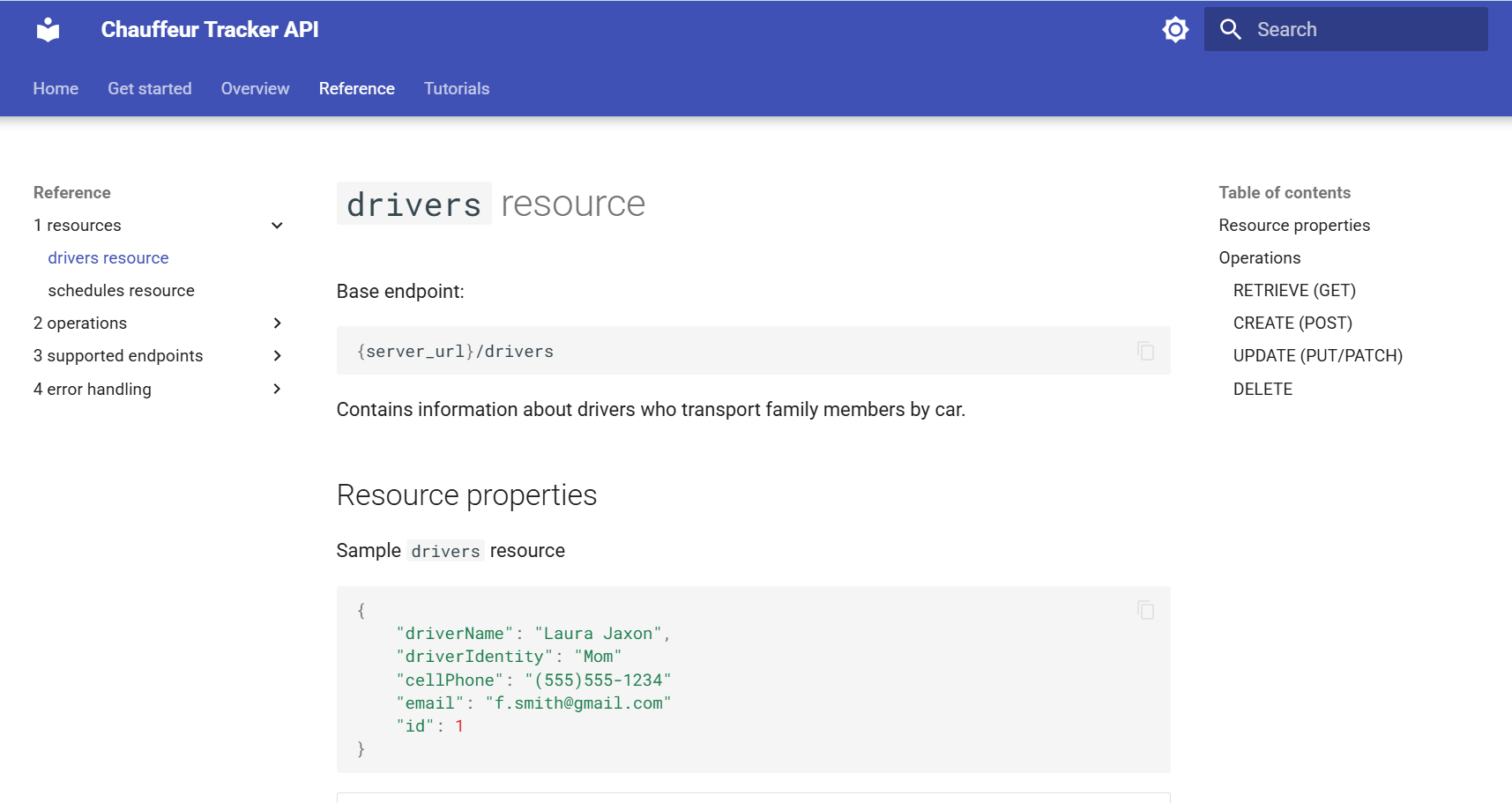
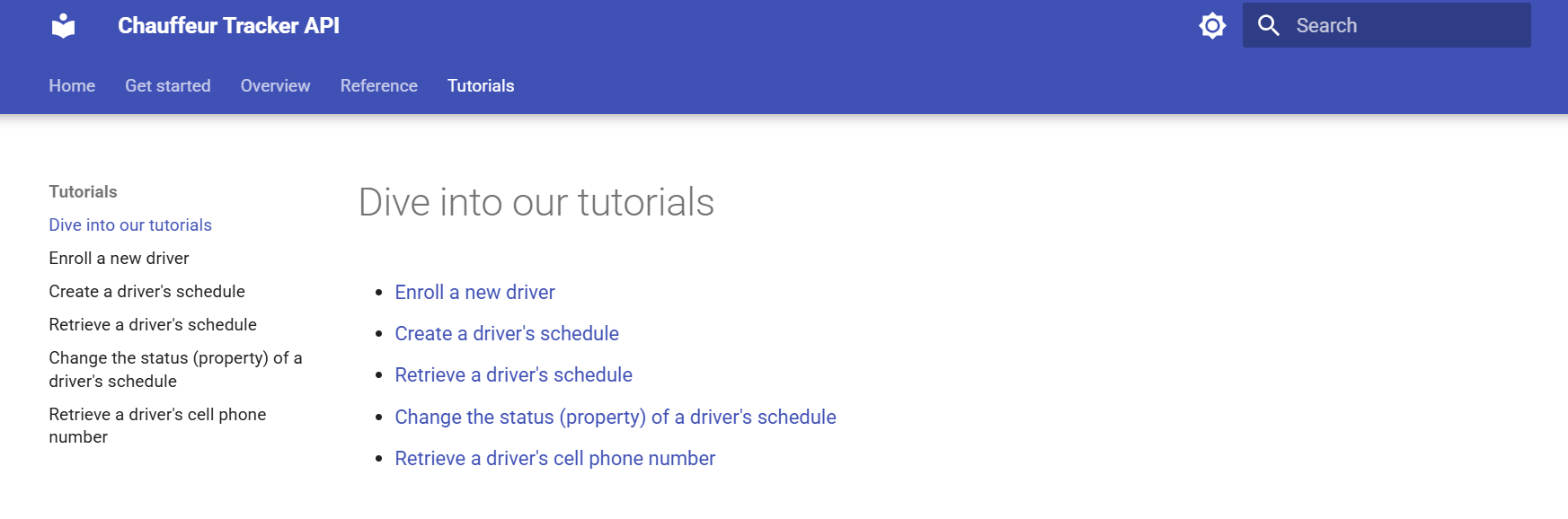
A realistic walkthrough showing how individual API operations work together in context.
View Tutorials →Docs-as-code foundation
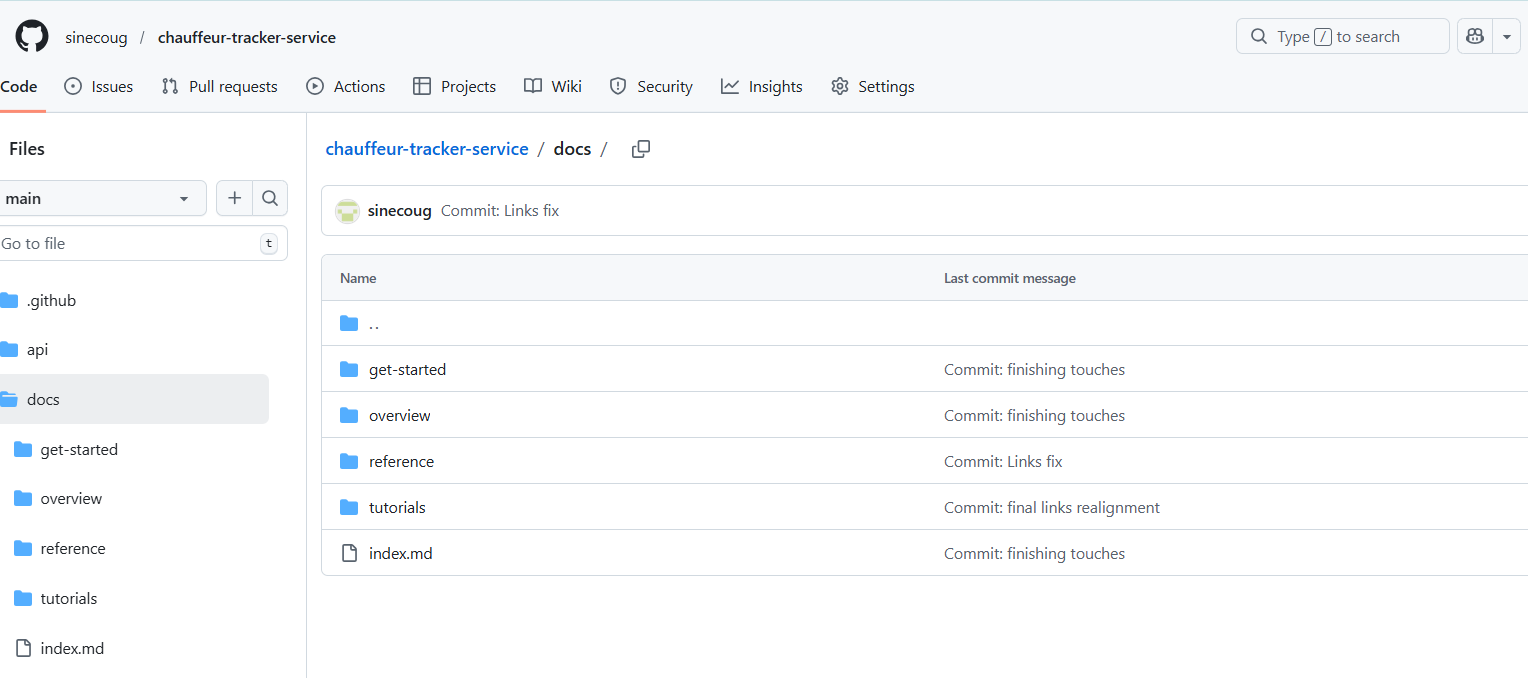
Separate overview, get-started, reference and tutorial areas create clear entry points and a maintainable topic model.
Consistent content patterns and progressive disclosure support both first-time users and precise technical lookup.
Markdown in GitHub makes changes version-controlled, visible and easier to review as the documentation evolves.
What this project demonstrates
Modular topic design and progressive disclosure aligned with distinct developer needs.
Task-oriented documentation, clear navigation and precise API reference content.
Docs-as-code, version-controlled source, consistent patterns and technical validation.
It’s system design applied to documentation.
Source access